Loading...
Serving Grand Island, NE and surrounding areas. (308) 403-0892
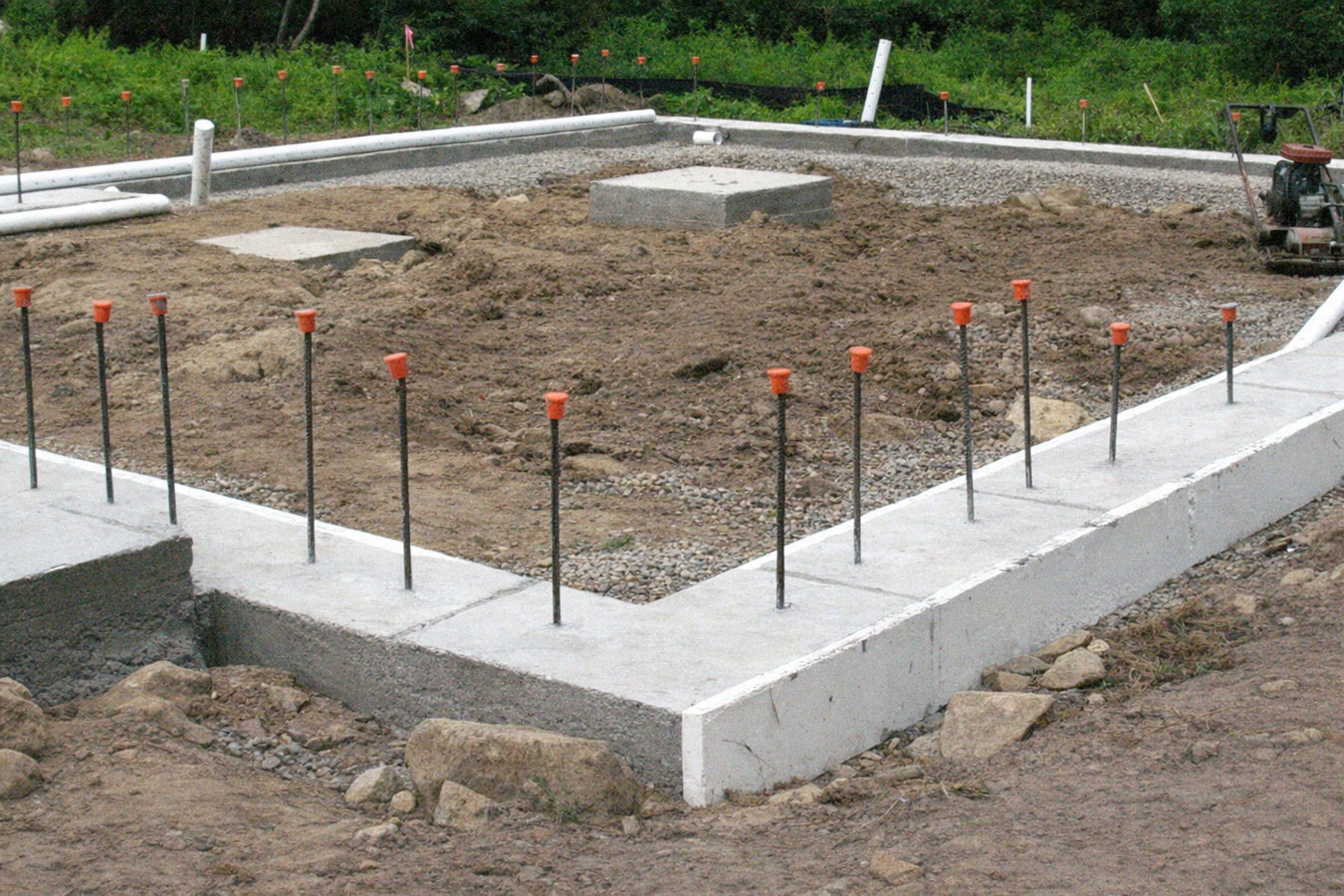
A leaning deck, a sticking door, a shifting addition - these problems usually start underground. We pour footings below Grand Island's frost line so your structure does not move when winter hits.
Concrete footings in Grand Island are the underground bases that hold up decks, additions, garages, porches, and retaining walls - most residential footing projects involve digging to 36 inches or more below grade, setting forms, passing a city inspection, and pouring, with the physical work typically done in one to two days followed by several days of curing.
If a structure on your property is shifting or leaning, the footing underneath is usually why. Grand Island's clay soils and deep frost line make getting this right more demanding than in warmer, sandier parts of the country - a footing that works fine in a mild climate may fail here within a few years. If your project also involves raising an existing structure, our foundation raising service can address structural level issues before or alongside new footing work.
If a deck post is no longer perfectly vertical, or the gap between your porch and the house wall has grown over time, the footing below that post may have shifted. In Grand Island, this often happens after several freeze-thaw cycles work on a footing that was not poured deep enough. Catching it early is almost always cheaper than waiting until the lean gets worse.
When a footing settles or shifts, the structure above moves too - and that movement often shows up first in doors and windows near an addition that suddenly do not close squarely. This is especially common in Grand Island's older homes where additions were built decades ago on footings that may not have met current depth requirements.
If you are adding any structure to your home that will be attached to it or carry significant weight, new footings are required before anything else can be built. This is not optional - it is the foundation of the whole project. Getting the footings right at the start is far less expensive than fixing structural problems after the fact.
Horizontal cracks near the base of a foundation wall, or stair-step cracks in block foundations, can indicate the footing below is no longer doing its job. Grand Island's clay soils exert real lateral pressure on foundation walls, and if the footing has shifted, that pressure has nowhere to go but into the wall above. A crack that is growing deserves a professional look.
We handle the full footing scope - site assessment, permit application, excavation to the required depth, forming, inspection coordination, pour, and project handoff. In Grand Island, that means digging to at least 36 inches below grade on most projects to get below the frost line, then accounting for the clay-heavy soil conditions that put lateral pressure on footings here. If your project includes a full foundation installation, we can coordinate both scopes of work so the excavation and preparation are done once.
We also handle footing work on older Grand Island homes where additions need to be carefully tied into existing structures. A large share of the housing stock in this city was built in the mid-20th century - before large decks and substantial additions became common - and adding onto those homes requires assessing whether the existing footings can handle additional load or whether new footings need to be tied in deliberately. We do that assessment as part of the estimate, not after work has started.
For homeowners adding or replacing a deck or covered porch. Tube-form footings poured below the frost line so posts stay vertical through every Nebraska winter.
For detached garages, sheds, and accessory structures. Continuous or pad footings sized for the structure and soil conditions at your specific site.
For homeowners adding a room or sunroom to an existing home. Includes assessment of how new footings tie into the existing structure on older Grand Island homes.
For concrete retaining walls and larger landscape structures that need a continuous footing to resist the lateral soil pressure common in Grand Island yards.
Grand Island sits in a climate where the ground can freeze to roughly 36 inches in a hard winter. That frost depth is significantly deeper than warmer states, and it means footings here require more excavation time and cost than a contractor from outside the region might plan for. The clay-heavy soils that are common in Hall County add another layer of complexity - clay swells when wet and shrinks when dry, and a footing that was sized for sandy or loamy soil may crack or shift here within a few years. The University of Nebraska-Lincoln Extension publishes research on local soil conditions that informs how experienced contractors approach footing depth and sizing in this region.
We work throughout the area, including projects in Columbus and York, where the same frost and soil conditions apply. A significant share of Grand Island's neighborhoods were built in the 1950s and 1960s - and if you are adding onto one of those homes, the existing footings were almost certainly not designed for today's deck sizes or addition loads. We factor that into the estimate rather than discovering it after the excavation has started.
Call or message us and we will ask a few basic questions about what you are building and where. We then schedule a site visit - usually within one business day. At the visit we assess soil conditions, measure the area, and identify any access challenges. You receive a written estimate that reflects the actual job at your property.
For most footing projects in Grand Island, we apply for the building permit through the city before work begins. Processing typically takes a few business days. Once the permit is approved, we give you a confirmed start date and let you know exactly what to clear or prepare before the crew arrives.
The crew digs to the required depth - at least 36 inches in Grand Island to get below the frost line - sets tube or wooden forms, and positions any anchor hardware. Before concrete is poured, a city inspector verifies the excavation meets local requirements. We schedule that inspection; you do not have to do anything.
Once the inspection is signed off, we pour and finish the concrete. The footings need several days to reach working strength before the next phase of your project can begin. We tell you exactly how long to wait and what to avoid near the fresh pour. When curing is complete, your builder or framing crew can move forward.
We respond to all estimate requests within one business day. A site visit is included at no charge - we need to see the soil and access conditions to give you a number that is actually accurate.
(308) 403-0892Every footing we pour in Grand Island goes below the depth where the ground freezes in winter. This is the single most important factor in whether a structure stays level over time, and we do not cut corners on it regardless of project size.
Grand Island's clay-heavy soils swell and shrink with the seasons and put lateral pressure on footings that sandy soils do not. We account for that movement in how we size and position every footing - the same way the University of Nebraska-Lincoln Extension recommends for local conditions. Details at extension.unl.edu.
We apply for all required permits with the City of Grand Island and schedule the pre-pour inspection with city inspectors. You do not navigate that process yourself, and you have documented, independent confirmation that the footings meet local standards before anything is buried.
We have worked on footing and foundation projects across Grand Island, from mid-20th century homes near downtown where additions often need careful tie-in work, to newer properties on the north and west sides. Local frost depths, soil conditions, and permit requirements are part of every estimate we give.
A footing is the part of a project you will never see again once it is poured - which is exactly why getting it right matters so much. When your deck is still perfectly level five winters from now, that is what good footing work looks like.
Lift and re-level a settled or sinking foundation before new footing work begins, restoring structural alignment on older Grand Island homes.
Learn moreFull foundation work for new construction or additions, coordinated alongside footing work to keep excavation and site prep to a single mobilization.
Learn moreGrand Island's construction season fills up fast - reach out now and we will schedule your site visit within one business day so you can lock in a start date before summer.