Loading...
Serving Grand Island, NE and surrounding areas. (308) 403-0892
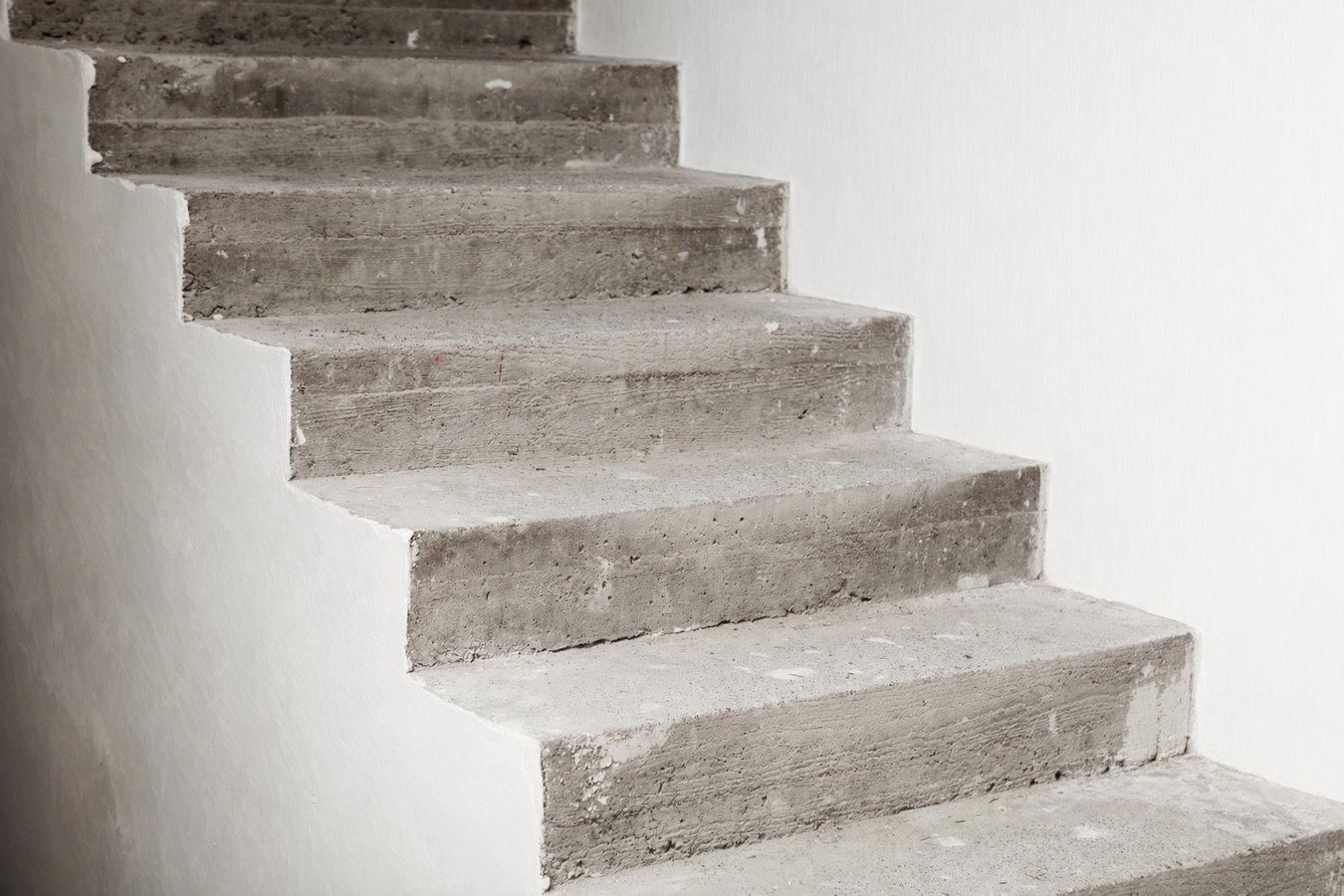
Cracked, tilting, or spalling entry steps are a safety problem and a curb appeal problem. We build concrete steps in Grand Island that handle the soil movement and freeze-thaw cycles that wreck them every year.
Concrete steps construction in Grand Island means removing old steps, excavating, compacting a gravel base, setting forms, pouring reinforced concrete, and finishing the surface with texture for traction - most standard residential entry step projects are poured in a single day and ready for foot traffic within 48 hours, with full strength after about a month.
A large share of Grand Island's housing stock was built between the 1940s and 1980s, and many of those original concrete steps are now 40 to 80 years old. If your steps are cracking, tilting, or flaking after every winter, that is not bad luck - it is a combination of age and the conditions specific to this area: clay soils that shift with moisture, frost depths that can push 30 inches, and freeze-thaw cycles that work water into every small crack. If you are also thinking about work around the base of your home, our concrete retaining walls service can address grade and soil erosion issues at the same time.
Surface hairline cracks can be cosmetic, but a crack that goes all the way through a step edge or has opened wide enough to fit a coin into has compromised the structural integrity. In Grand Island's climate, water enters those cracks, freezes each winter, and widens them further season after season. What looks manageable today will be a safety hazard by next spring without intervention.
If your steps shift when you step on them, or there is a visible gap between the steps and your home's foundation, the base underneath has settled unevenly. This is common in Grand Island given Hall County's silty and clay-heavy soils that shift with wet springs and dry summers. Unsteady steps are a fall risk in any season and become more dangerous when ice hides the instability.
If the top surface is peeling away in thin layers or crumbling at the edges - called spalling - that is a direct result of freeze-thaw cycles wearing down an aging or unsealed surface. Once spalling starts, it accelerates quickly. Patching rarely holds for more than a season in Nebraska's climate. If your steps look like they shed material after each winter, replacement is almost always the more cost-effective long-term choice.
Each step in a stairway should be the same height - typically six to eight inches. If some feel noticeably taller or shorter than others, the steps have settled at different rates or were not built correctly originally. Uneven steps are a tripping hazard that becomes more dangerous as people age or when carrying groceries, packages, or other loads.
We handle the full project from tear-out to cleanup. That means demolishing and hauling away your existing steps, excavating and compacting a gravel base, building forms to the correct dimensions, placing steel reinforcement, and pouring the concrete. The surface gets a broom finish as standard - slightly rough to the touch, which gives you traction even when it is wet or icy. If your project involves a grade change that needs more than steps alone, we can combine this work with our slab foundation building service or address nearby soil issues through a connected retaining wall at the same time.
For homeowners who want more than a standard brushed finish, we also offer colored concrete and stamped options that can match or complement other concrete work on your property. These options cost more and require more careful maintenance in Nebraska winters, but they significantly improve curb appeal on homes where the front entry is a visible focal point. We will help you weigh the tradeoffs honestly before you decide.
The most common project for Grand Island homeowners - three to five steps connecting the front or back door to grade level, with a poured landing at the top. Practical, durable, and straightforward to price.
For homeowners who want a wider entry or a stamped, colored, or exposed aggregate finish. Suitable for front entries that face the street and where curb appeal is a priority.
Steps from a garage or exterior door down to a basement or utility area. Often narrower than front entry steps, with a broom finish for safety in potentially wet or dim conditions.
One to three steps connecting different grade levels in a yard or between a patio and lawn. Often paired with a retaining wall or patio project to create a finished outdoor space.
Grand Island's clay-heavy soils and hard winters create a specific set of problems for concrete steps. The freeze-thaw cycle - temperatures swinging from well below zero in winter to 90 degrees in summer - puts concrete under stress that most of the country never experiences. Water works into any small crack, freezes, expands, and forces the concrete apart from the inside. Repeat that a hundred times over a Nebraska winter and the damage is significant. On top of that, Hall County's silty and clay-heavy soil expands when wet and contracts when dry, which can tilt and crack steps that were not given a properly compacted gravel base to sit on. Steps built without accounting for both of these factors will fail faster here than almost anywhere else in the country.
The housing stock in Grand Island makes this especially relevant - many homes built in the 1950s through 1970s still have their original concrete steps, which are now well past their designed lifespan. We work across the city and in surrounding communities, including York and Seward, where the same soil and climate conditions apply. If your home is in an older neighborhood near downtown or in the established residential areas north and south of the Platte River, there is a reasonable chance your steps are approaching or past the end of their useful life.
We will get back to you within one business day to schedule a time to look at the job in person. We measure the existing steps, check the ground conditions, and ask about any finish preferences before putting a written number together. Nothing is vague - every cost is itemized.
If the City of Grand Island requires a permit for your project - which is common for steps attached to a foundation - we handle the application and factor the fee into your estimate. Permitted work gets inspected, which means you have documentation that the job was done correctly. We do not skip this step.
The crew removes your existing steps, excavates the area, and compacts a gravel base before building the forms that shape the new steps. The base prep step is what most contractors rush and the biggest factor in whether your steps stay level as the ground moves through Grand Island's seasonal cycles.
Once forms and reinforcement are set, we pour the concrete and finish the surface with a textured broom finish for traction. The pour and finishing for a standard set of entry steps usually takes two to four hours. After curing, we walk the finished steps with you, answer questions, and explain sealing and winter maintenance before we leave.
We respond within one business day. Free on-site estimate, written quote, and we handle the permit process - no runaround.
(308) 403-0892We use reinforced concrete with the right mix design for cold climates and prepare the base with compacted gravel that gives the slab a stable, well-draining foundation. Steps built this way hold up through Grand Island winters year after year rather than cracking after the first hard freeze.
A significant share of Grand Island's homes were built in the 1950s through 1970s, and many of those original concrete steps are reaching the end of their life. Since 2023 we have replaced steps across older neighborhoods near downtown and in the established residential areas north and south of the Platte River corridor.
Every set of steps we build gets a broom-textured surface that provides grip even when wet or icy. Smooth concrete on entry steps is a real fall hazard in a Nebraska winter, and it is one of the easiest things to build correctly from the start rather than fix later.
We handle the permit process, haul away the old concrete, and leave the site clean when we are done. Old concrete cannot go in standard trash pickup, and unpermitted work creates problems at resale. Both of those items are handled as part of every project we take. Nebraska contractor registration.
Concrete steps are one of the most practical improvements you can make to a home in Grand Island - they are the first thing guests step on and the last thing they notice when they leave. We build them to last through Nebraska winters and stay level as the ground moves. The American Concrete Institute standards guide how we mix, reinforce, and cure every pour.
Pair new entry steps with a properly reinforced concrete slab foundation if your home needs structural work at the same time.
Learn moreAdd concrete retaining walls to manage the grade change around your new steps and keep soil from eroding away from the foundation.
Learn moreGrand Island's construction season books out fast in spring - reach out now to lock in your start date and get your steps done right before winter arrives.