Loading...
Serving Grand Island, NE and surrounding areas. (308) 403-0892
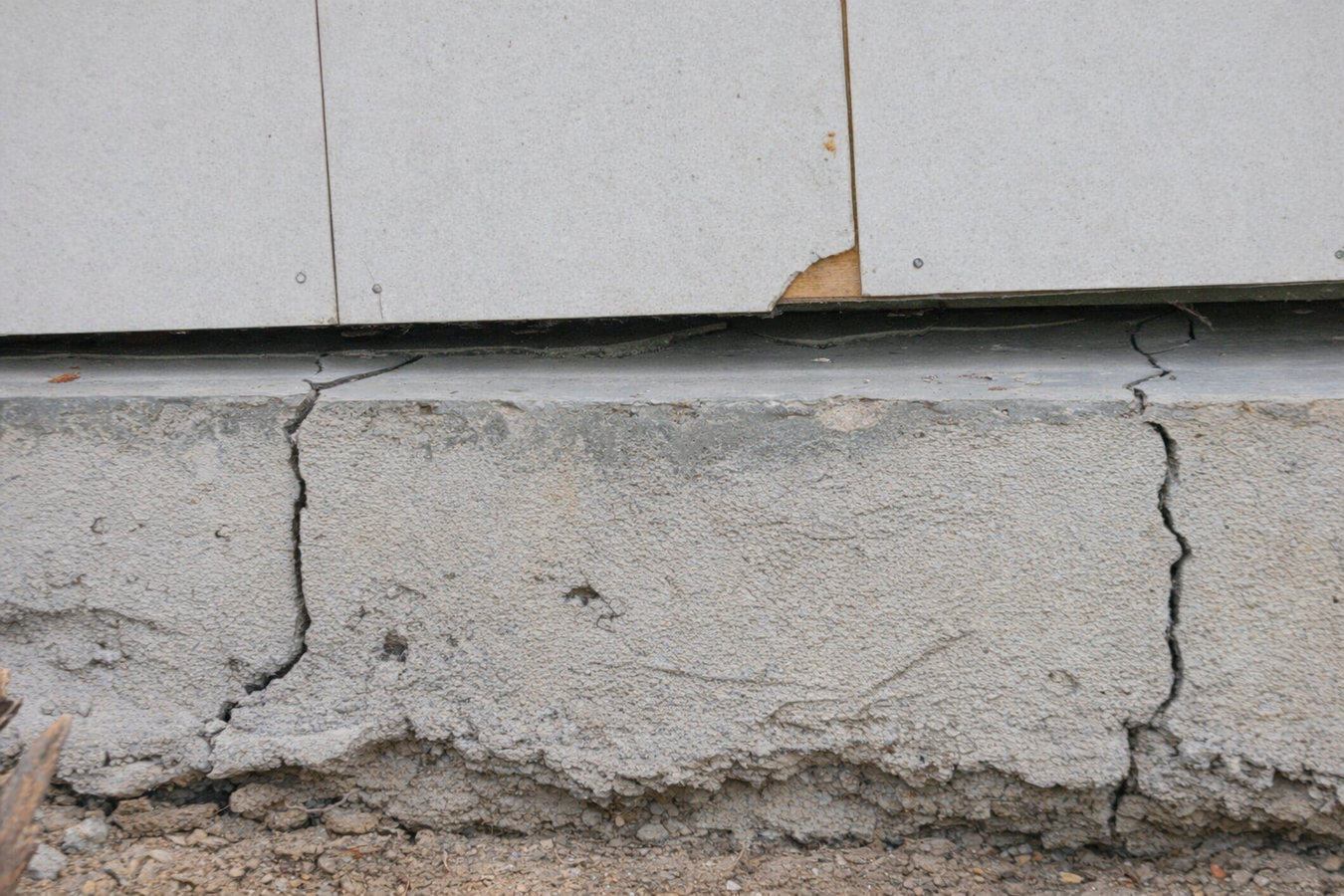
Sunken driveways, patios, and garage floors are a common problem here. We lift settled concrete back to level without the cost and mess of full replacement.
Foundation raising in Grand Island lifts settled concrete slabs back to their original height by drilling small holes through the slab and pumping material underneath to fill the void and push the concrete up - most residential jobs are completed in a single day and you can walk on the surface the same afternoon.
If your driveway, sidewalk, or patio has settled unevenly, you are likely dealing with soil that shifted, washed away, or was never properly compacted when the slab was first poured. In Grand Island, the combination of clay-heavy soils and hard winters makes this more common than most homeowners expect. Raising is the right fix when the concrete itself is still in good shape - no major cracking or crumbling. If the slab is past saving, our concrete cutting service can remove damaged sections cleanly so replacement concrete can be poured properly.
If you can feel a bump or drop when walking across your driveway or sidewalk, one slab panel has sunk relative to its neighbor. In Grand Island this often happens after a wet spring or hard winter, when freeze-thaw movement and soil erosion work together. A lip of even half an inch is a tripping hazard and will only get worse if left alone.
After a rainstorm, watch where the water flows. If it moves toward your house rather than away from it, your concrete may have settled in a way that directs water toward your foundation. This is a common pattern in Grand Island neighborhoods where clay soil has shifted over the years, and it is a warning sign that both your drainage and your concrete need attention.
A garage floor that used to feel flat but now tilts, or a crack running across it that seems to be getting wider, is telling you the soil underneath has moved. Garage floors are especially vulnerable in older Grand Island homes because they were often poured on minimally prepared soil. If the crack is wider at one end than the other, one side has dropped more than the other.
A gap opening between your patio slab and the wall of your home means the slab is sinking. This gap lets water in right at the base of your home - exactly where you do not want it. It is a common finding in Grand Island homes after several years of wet springs and dry summers cycling back and forth.
We handle mudjacking and polyurethane foam lifting for residential driveways, sidewalks, patios, garage floors, and stoops. Both methods fill the void under your slab and push it back to level. Mudjacking uses a cement-and-soil slurry and is the more affordable option. Foam lifting uses an expanding polyurethane material that cures faster and leaves smaller holes - though it typically costs more. We assess your specific situation and walk you through which approach makes the most sense before any work begins. For homeowners whose slabs are too far gone for lifting, our slab foundation building service covers full replacement from the ground up.
Every job includes a drainage assessment. Lifting a slab without addressing why it sank is like mopping a floor without fixing the leak - the problem comes back. We look at how water flows around the affected area and give you specific recommendations on grading, downspout routing, or other steps that will help the repair hold through Grand Island seasons. The American Concrete Institute recommends drainage correction as part of any slab raising project - you can read their guidance at concrete.org.
Best for homeowners looking for a proven, affordable method. Works well on driveways, sidewalks, and patios where speed of cure is not critical.
Suited to homeowners who need the area back in service quickly. Foam cures in minutes and is lighter than mudjacking slurry, which reduces future soil compression.
For homeowners with one or more settled sections that have created a tripping hazard or drainage problem on exterior concrete.
For homeowners whose garage floor has developed a noticeable slope or crack suggesting the soil beneath has shifted since the original pour.
Grand Island sits in the Platte River valley, and the soils across Hall County carry a significant amount of clay. Clay soil swells when wet and shrinks when dry - a cycle that puts constant pressure on concrete slabs from below. Combine that with the freeze-thaw movement that happens every winter, and you have conditions that are unusually hard on concrete surfaces. Homeowners here often notice a driveway that looked fine in the fall has a new step or tilt by April. That is not bad luck - it is what clay soil does in a Nebraska climate, especially under slabs that were poured on minimally prepared ground decades ago. Homeowners in Kearney and Hastings deal with the same soil and climate conditions and benefit from the same approach.
A large share of Grand Island homes were built between the 1940s and 1970s, and concrete placed in that era was often poured over soil that was not compacted to today's standards. Those slabs have had 50 to 70 years of freeze-thaw cycles, wet springs, and dry summers working against them. If your home falls in that age range, there is a higher-than-average chance that at least one slab on your property has settled. Getting it raised before the next hard winter is the smart move - waiting means more cycles of freeze-thaw working against a surface that is already out of alignment. The National Weather Service in Grand Island publishes local frost depth data that explains why timing matters for this type of work - visit weather.gov/gid.
When you call, we will ask you to describe what you are seeing and where it is on your property. We reply within one business day and schedule an in-person visit before giving you any price, because cost depends on what is actually happening under the slab.
We walk the affected area, look at the slope and cracks, and probe around the edges to get a sense of void space underneath. We tell you honestly whether raising is the right fix or if the slab is too far gone to save, then give you a written estimate before any work is scheduled.
The crew drills small holes through the slab, pumps lifting material underneath, and monitors the level constantly. You can actually watch the slab rise - the process is surprisingly quick and takes a few hours from setup to finish on most residential jobs.
Once the slab is level, drill holes are patched with concrete and the area is cleaned up before we leave. We walk you through drainage improvements - like regrading soil or redirecting a downspout - that protect the repair through Grand Island springs and freeze-thaw winters.
We will come out, look at the slab, and give you a straight answer - no obligation, no sales pitch. Most estimates are scheduled within one business day.
(308) 403-0892Grand Island soils expand and contract dramatically with moisture and temperature changes. We assess the drainage situation before every job and use lifting methods that account for Hall County clay - so the repair holds through multiple seasons, not just one.
We have lifted slabs across Grand Island from the older streets near downtown to the newer subdivisions on the north and west sides. We know the drainage patterns, soil conditions, and city permit requirements in this area - not just general concrete work.
We tell you plainly if your slab is a good candidate for raising or if replacement makes more sense. We will not push a bigger job than you need - and we will not try to raise concrete that should be replaced. You get a straight answer before you commit to anything.
When the City of Grand Island requires a permit for foundation work, we pull it on your behalf and keep the documentation on file. You never have to navigate the building department yourself. The Nebraska Concrete and Aggregates Association sets the standards we follow - read more at nebraskaconcreteandaggregates.org.
We work across Grand Island and understand the specific soil and drainage conditions that make slab settling so common here. Every job gets the same careful assessment, whether it is a single sidewalk panel or a full driveway.
When a settled slab is past saving, we cut out the damaged sections cleanly so replacement concrete can be poured properly.
Learn moreFull slab installation from ground prep to finish for additions, detached garages, and new structures.
Learn moreGrand Island's ground freezes by mid-October - get your slab raising scheduled now so you are not watching the problem get worse all winter.