Loading...
Serving Grand Island, NE and surrounding areas. (308) 403-0892
Clay soils and hard Nebraska winters crack slabs built on shortcuts. We prepare every site correctly so your foundation holds solid for decades.
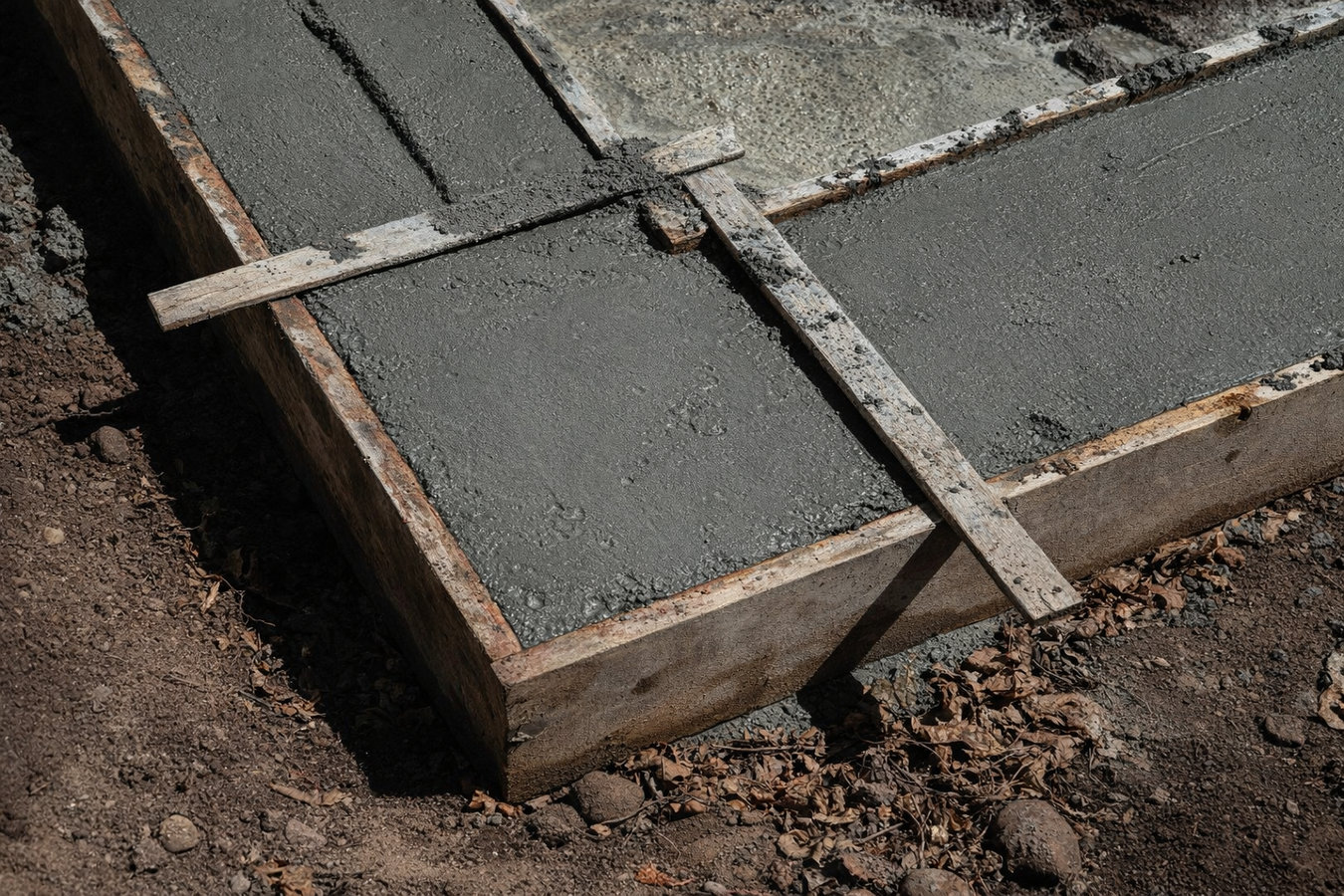
Slab foundation building in Grand Island means preparing the site, pouring a reinforced concrete base, and curing it properly - most residential slabs take three to seven days of site and pour work, then about a week of curing before construction can continue.
If you are planning a new home, addition, or outbuilding in Grand Island, a slab foundation is often the most practical starting point on flat ground. The difference between a slab that lasts 50 years and one that cracks in five comes down almost entirely to what happens before the concrete is poured - the grading, compaction, and gravel base. Grand Island sits on clay-heavy Platte River valley soil that makes this preparation step more critical than it would be in other parts of the country. When you are ready to put a structure on your slab, our foundation installation service covers the full scope of foundation systems for new builds.
If you are starting a new construction project in Grand Island, a slab foundation is often the most practical and cost-effective base for a single-story home on flat ground. Before framing can begin, you need a level, solid slab. If your builder is asking you to arrange the foundation separately, this is the service you need.
Hairline cracks in a concrete floor are usually cosmetic, but cracks you can fit a pencil tip into - or cracks running diagonally from door and window corners - can signal the slab has shifted. In Grand Island, freeze-thaw cycles and clay soils are common culprits. If the cracks are getting longer or wider over time, have a contractor assess them before the problem gets more expensive.
When a slab shifts, the walls and door frames above it shift too. If doors that used to swing freely now stick or drag, or if gaps are forming at the tops of door frames, the foundation below may be moving. This is especially worth watching in Grand Island homes built on clay-heavy soil, where wet springs and dry summers create repeated ground movement each year.
If water consistently pools against the base of your home after rain rather than draining away, it can saturate the soil beneath your slab and accelerate settling or cracking. Grand Island gets significant spring rainfall, and this pooling is a sign that the original site grading was inadequate - a problem a concrete contractor can assess and address before the damage compounds.
We handle the complete project from first shovel to final walkthrough. That means site grading, soil compaction, gravel base installation, moisture barrier placement, steel reinforcement setup, and the concrete pour itself - finished with a flat, level surface ready for framing. If your project also needs concrete footings for attached structures like porches or decks, we can include that in the same scope of work.
We also handle permit applications through the City of Grand Island as part of every project. The building department requires a pre-pour inspection, and we schedule that automatically - you do not have to track it yourself. After the pour, we apply curing protection and explain what to watch for during the hardening period. The goal is a slab you never have to think about again.
Suited to single-story new construction on flat ground. The most common foundation type for new homes in Grand Island neighborhoods.
For homeowners expanding their footprint. We tie the new slab properly to the existing structure so the addition moves as a unit, not independently.
Built for detached garages, shops, and agricultural buildings. Heavier reinforcement options available for slabs that need to carry equipment loads.
For older Grand Island properties where the original slab has cracked or crumbled beyond patching. Full removal, fresh prep, and a new pour.
Grand Island sits in the Platte River valley on soil with a significant clay content. That means the ground swells when wet springs arrive and shrinks during dry summers - a cycle that puts constant stress on any concrete slab sitting on top of it. On top of that, central Nebraska winters can freeze the ground to roughly 36 inches, which means edge footings that do not extend below that depth will heave and crack over time. These are not theoretical problems - they are the actual reasons slabs fail here, and they require preparation steps that are more demanding than what you might need in a sandier or warmer climate. Contractors who have not worked in Hall County conditions may not know what they are dealing with until cracks appear years later.
Grand Island is also growing, with new residential construction running through the northwest and south corridors of the city. That means contractors book up fast once April arrives, and homeowners who wait until May to start calling often cannot get a crew until late summer. We serve customers across the city and into surrounding communities. Homeowners in Kearney and York face similar soil and frost conditions and are welcome to reach out early in the season to lock in a schedule.
Call or message us and we will usually respond within one business day. We ask about the size of the slab, what it is for, and any existing site work done. Most jobs require a site visit before we give a firm price, because ground conditions and site access affect cost significantly. You receive a written quote that separates labor, materials, and permit fees.
Before any work begins, we apply for the required building permit through the City of Grand Island - typically a few days to a week for approval. We handle this entirely; you do not need to visit the permit office. The permit fee is included in your project quote, and we give you a confirmed start date once the permit is in hand.
The crew excavates, grades, and compacts the soil, installs a gravel drainage base, runs any plumbing or conduit under the slab, places the moisture barrier, and sets steel reinforcement. A city inspector visits at this stage to confirm everything meets local requirements before the pour is approved. This inspection is a genuine protection for you.
The ready-mix truck arrives and the crew fills, levels, and finishes the slab in a single pour - usually a few hours for a standard residential slab. We then apply curing protection to keep the surface from drying too fast, especially critical during Grand Island summers. We walk you through the finished work and explain when it is safe to build on.
We respond within one business day - no pressure, just a straight answer and a written estimate.
(308) 403-0892Grand Island winters can push the frost line to 36 inches, and edge footings that do not reach that depth will heave over time. Every slab we pour is designed with footings that go below the frost line - this is standard for us, not an upgrade. It is the single most important thing that separates a slab that lasts from one that fails in a few years.
Much of Grand Island sits on expansive clay soil that swells when wet and shrinks when dry. We compact and grade every site and install a proper gravel drainage base before any concrete goes in. This prevents the movement that causes cracking and settling - the most common complaint homeowners have about slabs built by contractors who rush the prep.
We pull every required permit through the City of Grand Island and schedule the pre-pour city inspection as a standard part of every project. You never have to navigate the building department yourself. The documentation protects your investment and makes your home easier to sell - unpermitted slab work is one of the most common issues that delays home closings in Nebraska.
We have poured slabs across Hall County from established in-town neighborhoods to newer subdivisions on the city edges. We know local soil conditions, drainage patterns, and city permit requirements - not just general concrete work. The Portland Cement Association standards guide our mix design and curing on every job.
Nebraska requires contractors to be registered and carry proper insurance before performing work like this - the Nebraska Department of Labor maintains the public registry where you can verify any contractor before hiring. We are on it, our paperwork is current, and we welcome you to check.
Full foundation systems for new home construction, including basement walls, crawl spaces, and everything above the slab level.
Learn moreIndividual footings for decks, porches, fences, and outbuildings that need a stable anchor below the frost line.
Learn moreGrand Island contractors book fast once spring arrives - reach out now and we will get your project on the schedule before the summer rush hits.